
How Different Flooring Materials Affect the Feel of a Room
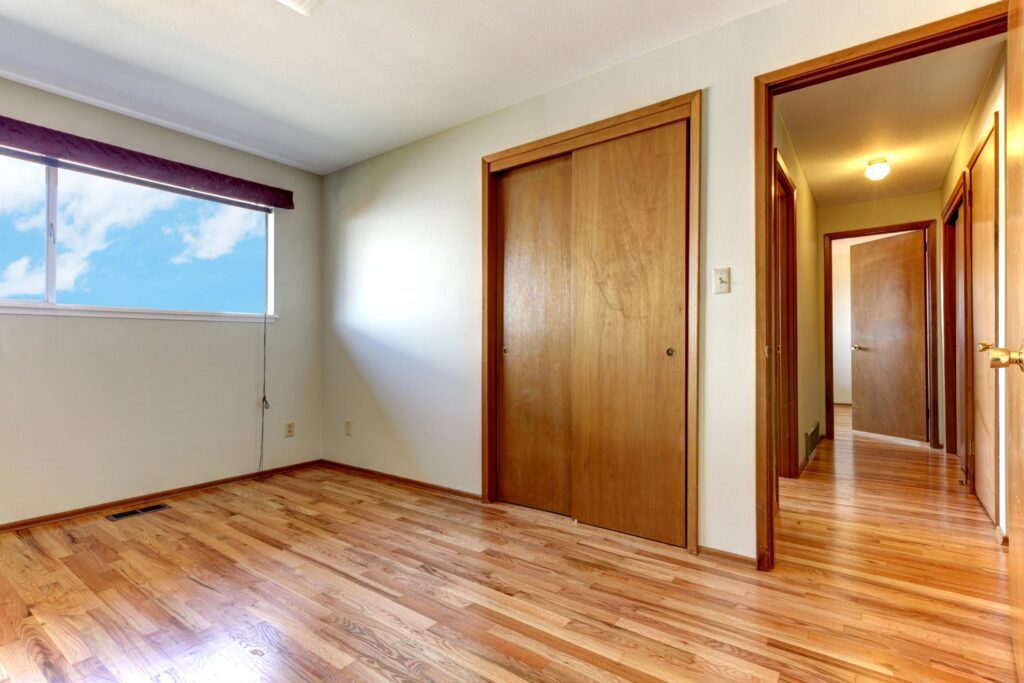
Flooring plays an important role in how a room looks and feels. During a renovation, changing the floor often changes the atmosphere of the entire space. Its texture and color also influence how furniture and natural light come together. That is why choosing flooring involves more than simply picking a style you like. The material you choose becomes part of the room’s overall look and feel, so it is worth considering how it will work with the rest of the space.
Keep reading to discover how different flooring materials influence the feel of your rooms and help you make a more informed choice for your next renovation.
Hardwood Flooring Brings Warmth to a Renovated Space
One of the easiest ways to create a warmer feel during a renovation is to introduce hardwood flooring. Its natural grain brings character to the room without making the floor feel overly busy, allowing it to work comfortably with different interior styles. Lighter wood tones often give the space a brighter, more open appearance, while darker shades create a richer and more grounded feel. The finish matters too, with a matte surface offering a softer, more relaxed look than a glossy finish.
Hardwood also gives you flexibility as your style changes. Its timeless appearance works with a range of furniture and wall colors, so you do not have to redesign the rest of the room around the floor. This makes it a practical choice when you want the space to feel comfortable and considered without tying it to a passing trend.
Tile Flooring Creates a Clean and Open Feel
While hardwood brings warmth to a space, tile offers a cleaner and more streamlined look. It works particularly well in kitchens, bathrooms, hallways, and entryways, where a crisp finish suits the purpose of the room. Light-colored tile reflects more light across the surface, which helps a smaller area feel brighter and more open. Larger tiles may create a similar effect by reducing the number of grout lines across the floor.
Tile also gives you plenty of room to add personality without overwhelming the rest of the design. Patterned or textured options bring more visual interest to a simple space, while a plain finish keeps the room understated. Its naturally cooler surface may also be more comfortable in certain areas of the home, particularly during warmer weather.
Vinyl Flooring Adds Comfort and Flexibility
For spaces that need a little more comfort and flexibility, vinyl offers a practical option without limiting your design choices. Modern vinyl comes in a wide range of styles, including finishes that recreate the look of wood or stone.
A wood-look floor may add warmth to a family room, while a simple neutral finish helps create a calm and understated space. This variety makes it easier to find a floor that works naturally with the rest of your renovations. The softer feel of vinyl also makes a noticeable difference in rooms where you spend a lot of time standing or moving around.
At the same time, its many design options make it easier to coordinate the floor with new cabinets and wall finishes. This is particularly helpful when you update several elements of a room at the same time. Rather than taking over the design, vinyl allows the different features of a renovated space to work together comfortably.
Laminate Flooring Gives Rooms a Neat, Modern Feel
Building on the design flexibility of vinyl, laminate offers another way to achieve a fresh and updated look. Its smooth, consistent finish gives rooms a neat appearance, while many styles recreate the look of timber and other natural materials. This makes laminate well suited to contemporary spaces where you want the flooring to feel polished without becoming too noticeable. Its uniform pattern also helps create a sense of continuity, particularly across larger or connected areas of the home. For works that call for a clean and cohesive finish, laminate gives the space a modern feel while keeping the overall design balanced.
Carpet Makes Renovated Rooms Feel More Comfortable
A polished floor is not the only way to give a renovated room a finished feel. Carpet takes the design in a softer direction, making bedrooms and other relaxing areas feel more comfortable. Its surface adds a gentle layer underfoot, while the right color complements the mood you want without competing with the rest of the room. A thicker or softer pile adds to that sense of comfort, particularly in spaces where people often go barefoot. Carpet also absorbs sound, which helps create a quieter environment in rooms that tend to feel echoey.
Natural Stone Adds Character and Depth
From that soft and quiet atmosphere, natural stone offers a completely different presence. Its natural variations give each floor a distinctive appearance, making it a strong choice when you want the flooring itself to add visual interest. Subtle differences in tone and texture create depth without relying on decorative patterns, while earthy shades help the room feel connected to natural materials.
Stone also has a firm, cool surface that gives it a more substantial quality than softer flooring. Because of its strong appearance, simpler furniture and finishes often work well alongside it. When you want the flooring to make a lasting impression, natural stone gives the room a sense of depth and character that stands on its own.
Consider the Flooring as Part of the Renovation
The flooring you choose has a bigger impact on a renovation than you might expect. Rather than choosing a material based on appearance alone, think about how it will work with the room’s lighting, furniture, wall colors, and overall purpose. Taking the time to view samples in the actual space also helps you see how the flooring looks throughout the day and whether it feels right with the rest of your design. When all of these elements come together, the right floor makes a renovated room feel complete and comfortable.
When you’re ready to start planning your renovation, Deluxe Contracting Inc. will help you choose an approach that works for your space. Get in touch with our team to discuss your project and take the next step toward bringing your renovation plans to life.
Frequently Asked Questions
Should I choose my flooring before starting a room renovation?
Yes, choosing your flooring early helps guide other renovation decisions. Once you know the color and overall look of the floor, you can coordinate it with your walls, trim, cabinetry, and other finishes. This also gives you a clearer idea of how the completed room will come together before the renovation begins.
Which flooring works best for making a small room feel larger?
Light-colored flooring often helps a small room feel more open by reflecting more light. Large-format tile and flooring with fewer visual breaks may also create a cleaner, more spacious appearance.
How does natural light affect my flooring choice?
Natural light changes how flooring colors and finishes appear throughout the day. A sample that looks warm under indoor lighting may appear lighter or cooler near a window, so viewing samples in the actual room helps you make a more informed choice.
Should flooring match throughout the rooms during a renovation?
Not necessarily. Using the same or complementary flooring across connected areas creates a sense of flow, while different materials may help define rooms with different purposes.
What should I consider when replacing flooring during a renovation?
Consider how the room gets used, the amount of foot traffic it receives, the existing design, and the atmosphere you want to create. The flooring should also work with the room’s lighting and the other finishes you plan to introduce.