
Underused Basement to Functional Living Space
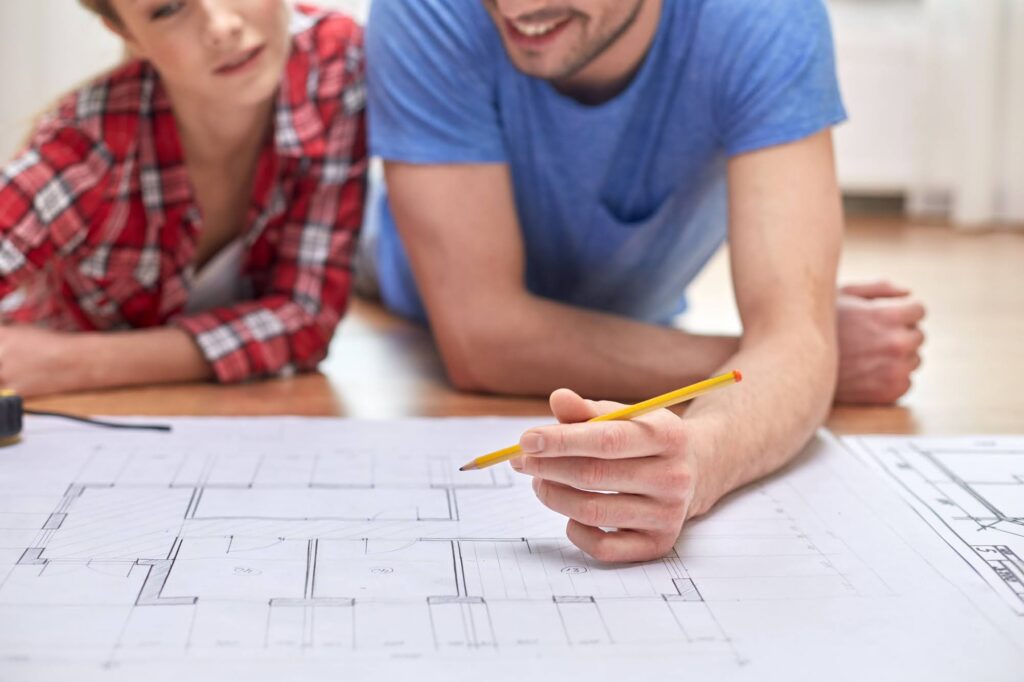
A basement often has more potential than use. Many households treat it as a storage zone, a place where unused items gather and the door stays mostly shut. Yet this space can become one of the most valuable areas in a home when approached with thoughtful planning and practical renovations. Turning an underused basement into a functional living space isn’t about chasing trends; it’s about creating a room that supports daily life and adds meaningful versatility.
Seeing the Basement as Part of the Home
A basement becomes far more inviting when it’s viewed as an extension of the main living areas rather than a separate, forgotten level. The shift begins with imagining how the space could support everyday routines. Some homeowners want a quiet retreat, while some simply want a room that feels finished and welcoming. Once the purpose becomes clear, the transformation feels less like a project and more like a natural evolution of the home.
Basements often have unique characteristics, like lower ceilings and cooler temperatures. Instead of treating these as limitations, they can be used to shape the design. A cozy atmosphere works beautifully underground, and thoughtful lighting can make the space feel inviting and open. When the design embraces what the basement already offers, the final result feels intentional rather than forced.
Creating a Comfortable Foundation
Comfort is the first requirement of any functional living space. Before thinking about furniture or décor, the basement needs to feel dry and pleasant. Addressing moisture concerns, improving insulation, and ensuring proper airflow create a foundation that supports long‑term use. Once the environment feels consistent and reliable, the rest of the design can build on that stability.
Flooring plays a major role in comfort. A basement benefits from materials that feel warm underfoot and resist changes in temperature. Soft finishes help the space feel more connected to the rest of the home, while durable options ensure the room can handle daily activity. The goal is to choose materials that make the basement feel lived-in rather than utilitarian.
Designing a Space That Fits Real Life
A functional basement doesn’t need to mimic the rooms upstairs. It can serve a completely different purpose, giving the home more flexibility. Some basements become entertainment areas, and some transform into multi-use spaces that shift depending on the day. The key is designing with intention.
Lighting is one of the most transformative elements. Basements rarely receive abundant natural light, so layered lighting helps create depth and warmth. Soft overhead fixtures paired with accent lighting can make the room feel inviting without overwhelming it. When the lighting supports the room’s purpose, the basement becomes a place people naturally gravitate toward.
Furniture choices also shape how the space functions. Pieces that encourage relaxation or productivity help define the room without crowding it. Because basements often have generous square footage, they can accommodate layouts that feel open and comfortable.
Making the Space Feel Connected
A basement becomes truly functional when it feels connected to the rest of the home. This doesn’t mean copying the exact style of the upper floors, but it does mean creating a sense of continuity. Similar color palettes and thoughtful transitions help the basement feel like part of a cohesive whole.
Stairways play a surprisingly important role in this connection. When the transition from one level to another feels smooth and welcoming, the basement becomes a natural part of daily movement. Even small updates, like fresh paint or a more inviting landing area, can make a noticeable difference in how the whole space is used.
Adding Features That Support Daily Living
Once the core elements are in place, the basement can be shaped around the activities that matter most. Some homeowners want a space for gatherings, and others want a quiet space. Features like built-in storage or designated zones help the basement serve multiple purposes without feeling cluttered.
Sound control is another important consideration. Basements often offer natural acoustic advantages, making them ideal for media rooms or creative spaces. With a few thoughtful choices, the room can support activities that might feel disruptive elsewhere in the home.
Long‑Term Value of a Functional Basement
A finished basement adds more than square footage. It adds comfort and a sense of completeness to the home. When the space is designed with care, it becomes a room that supports everyday life rather than a forgotten area. Many homeowners find that once the basement is transformed, it becomes one of the most frequently used spaces in the house.
The value isn’t only practical; it’s emotional. A functional basement can become a place where people gather, relax, create, or simply enjoy quiet moments. It becomes part of the home’s story.
If you’re considering updating your basement, it may help to talk with a team that works with these spaces every day. A conversation can clarify what’s possible, what makes sense for your home, and how to approach the project in a way that feels comfortable and realistic. When you’re ready, reach out, and we’ll walk through the options with you.
Frequently Asked Questions
Does a basement renovation require major structural changes?
Not always. While some projects are more involved, many basements can be completely transformed without structural adjustments. Focusing on smart layout planning and refined finishing details can create a brand-new living space while keeping the existing structure fully intact.
Can a basement feel bright even with limited natural light?
Yes. Thoughtful lighting design can create a warm, open atmosphere that feels inviting and balanced.
Is a basement suitable for multi‑purpose use?
Absolutely. Because basements generally offer large, open footprints, they are ideally suited for multi-zone designs. With the right layout, a basement can support several activities without feeling crowded.
Will a finished basement feel as comfortable as the main living areas?
With proper insulation and airflow, a basement can feel just as comfortable as any other room in the home.
Does a basement renovation add value to a home?
A well-designed basement often increases both functional and perceived value, giving the home more usable space and versatility.